

【ブリュッセル】コスパ最強のフードコートWOLF Sharing Food Market|安く食べるならここ!
2026-03-14
Belgium may be famous for its chocolate, but Brussels has so much more to offer food lovers. During my stay, I explored the city’s incredible food scene and put together this list of 7 iconic Belgian dishes, along with the best places to try them. From quick bites between sightseeing stops to cozy sit-down meals, here’s your ultimate Brussels food guide!
1. Frites (Belgian Fries)
You can’t talk about Belgian food without mentioning frites. Crispy on the outside and soft and fluffy on the inside, they come with a huge selection of sauces, so you can find the perfect one to go with your fries.
Where to Try Them:
① Fritland
Just a 3-minute walk from the iconic Grand Place, Fritland is a popular spot that often attracts a crowd. Don’t be surprised if you find a line outside!
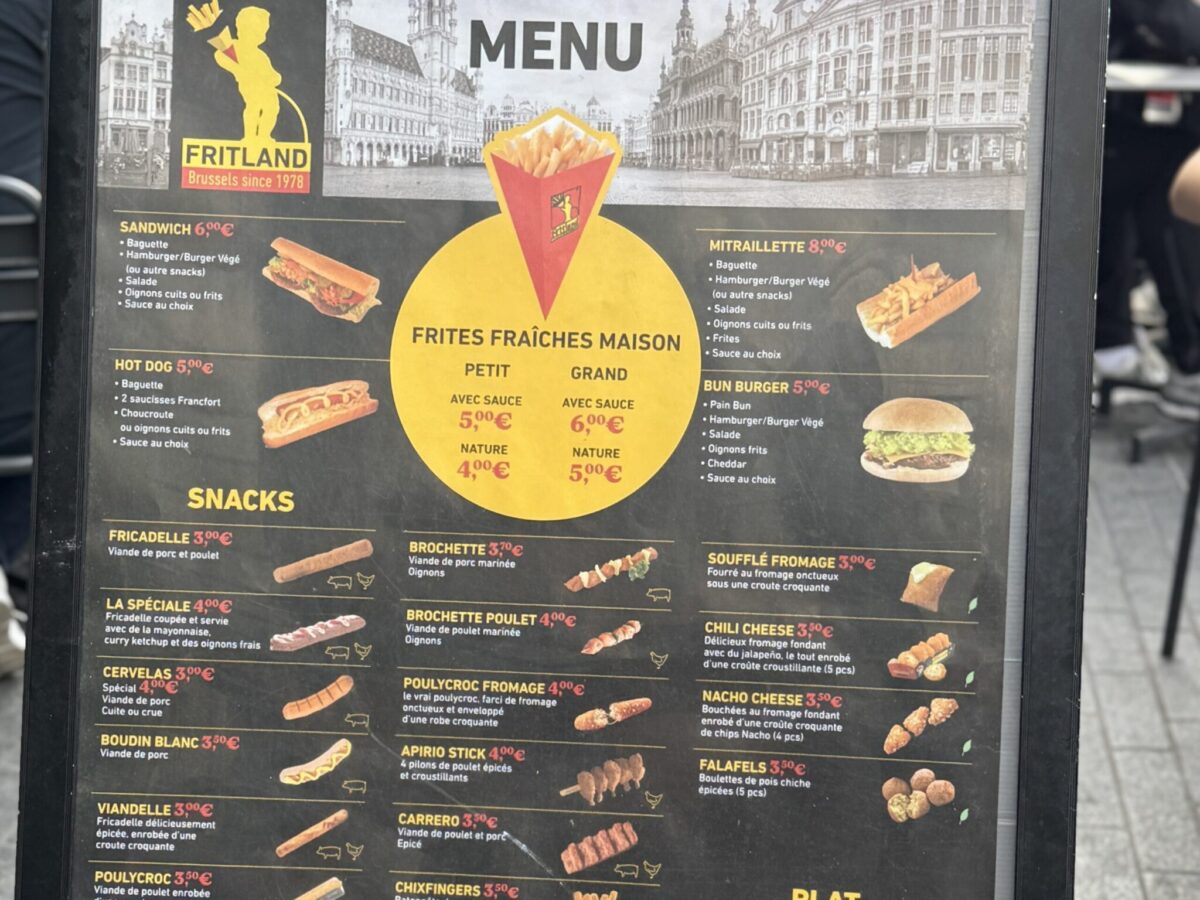
They offer two sizes: Grand (Large) and Petit (Small).
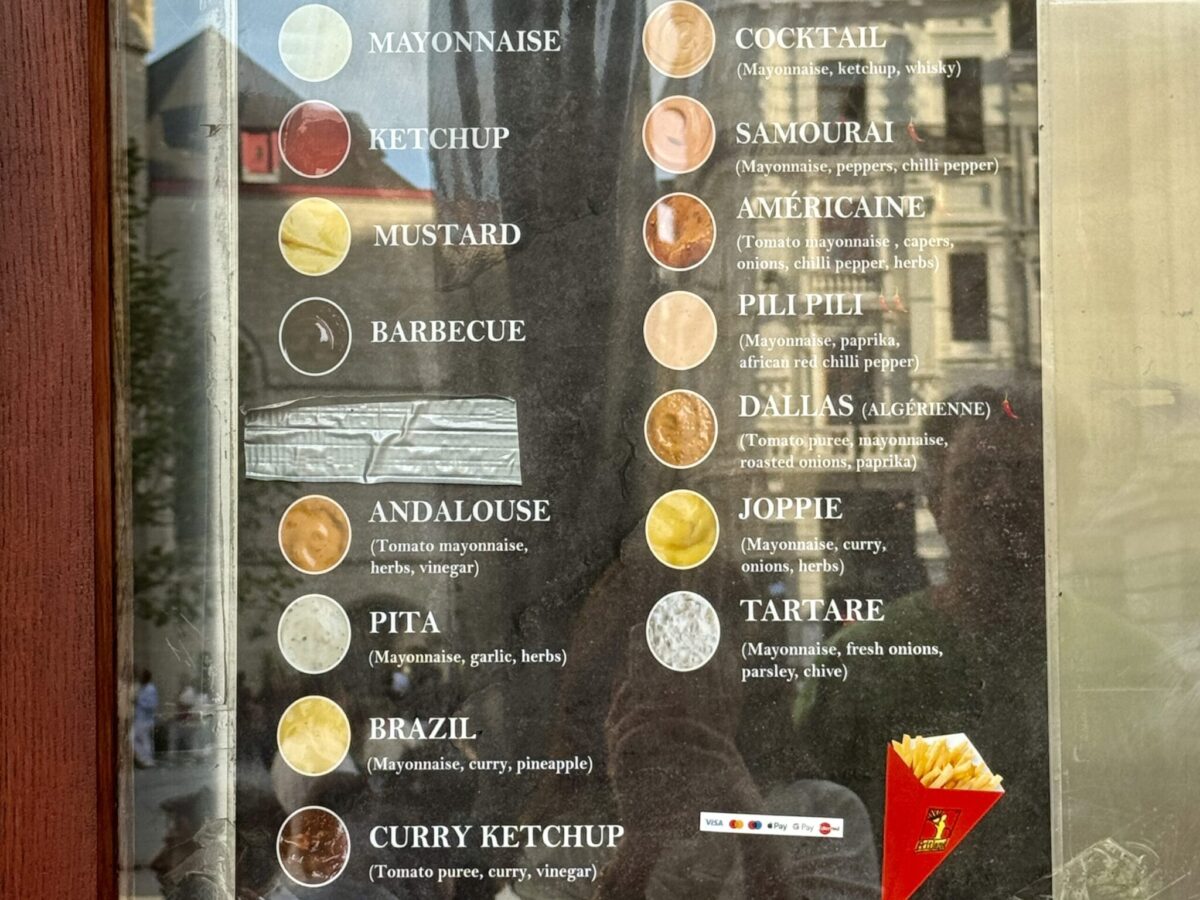
They have around 15 sauces to choose from, making it delightfully hard to pick just one.
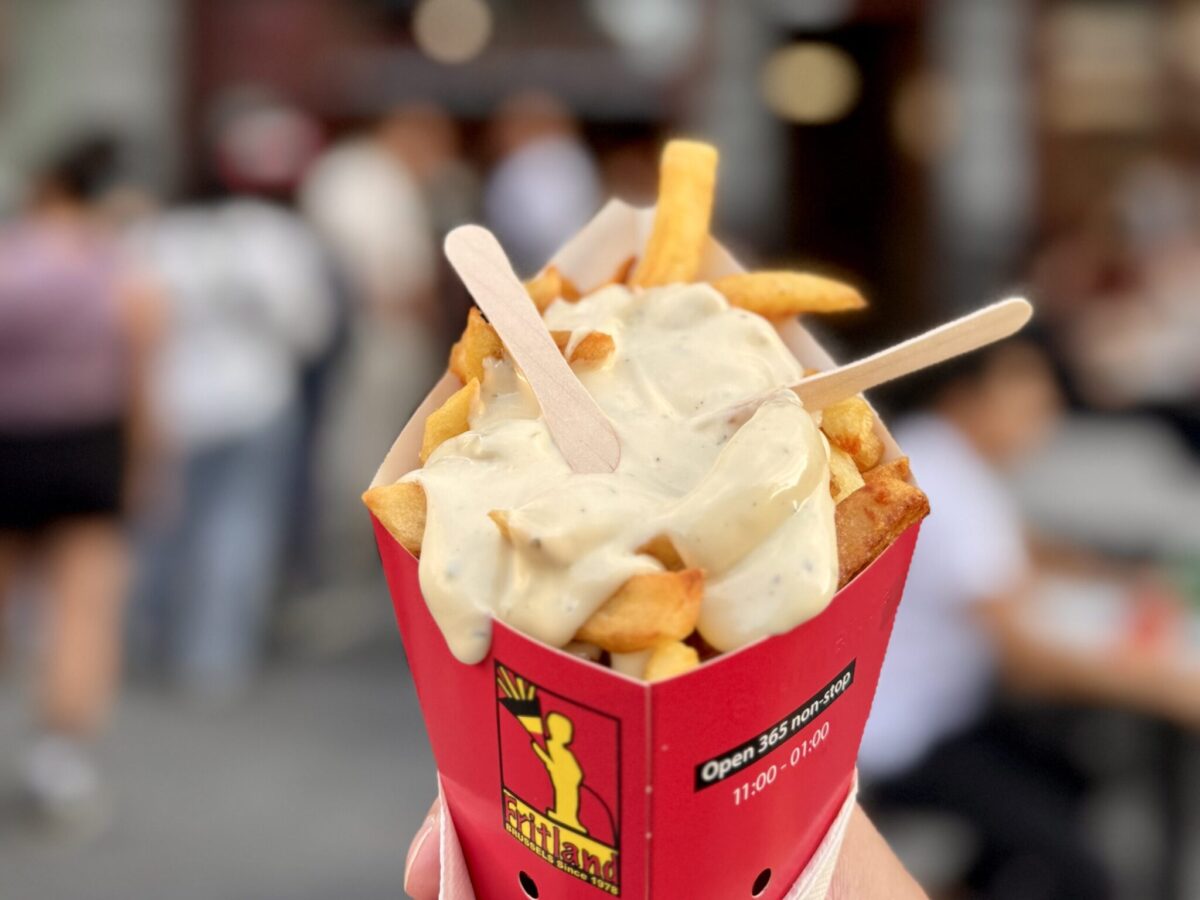
I ordered the Pita sauce (mayo, garlic, and herbs), which had a strong, punchy garlic flavor. Looking around at what locals and tourists were ordering, the Andalouse (tomato-mayo with herbs and vinegar) and Samourai (spicy chili mayo) seemed to be the most popular choices.
If you’re looking for a generous serving of authentic fries, Fritland is a must-visit.
② Frituur Tabora
Also just three minutes from Grand Place, Frituur Tabora is another local favorite.
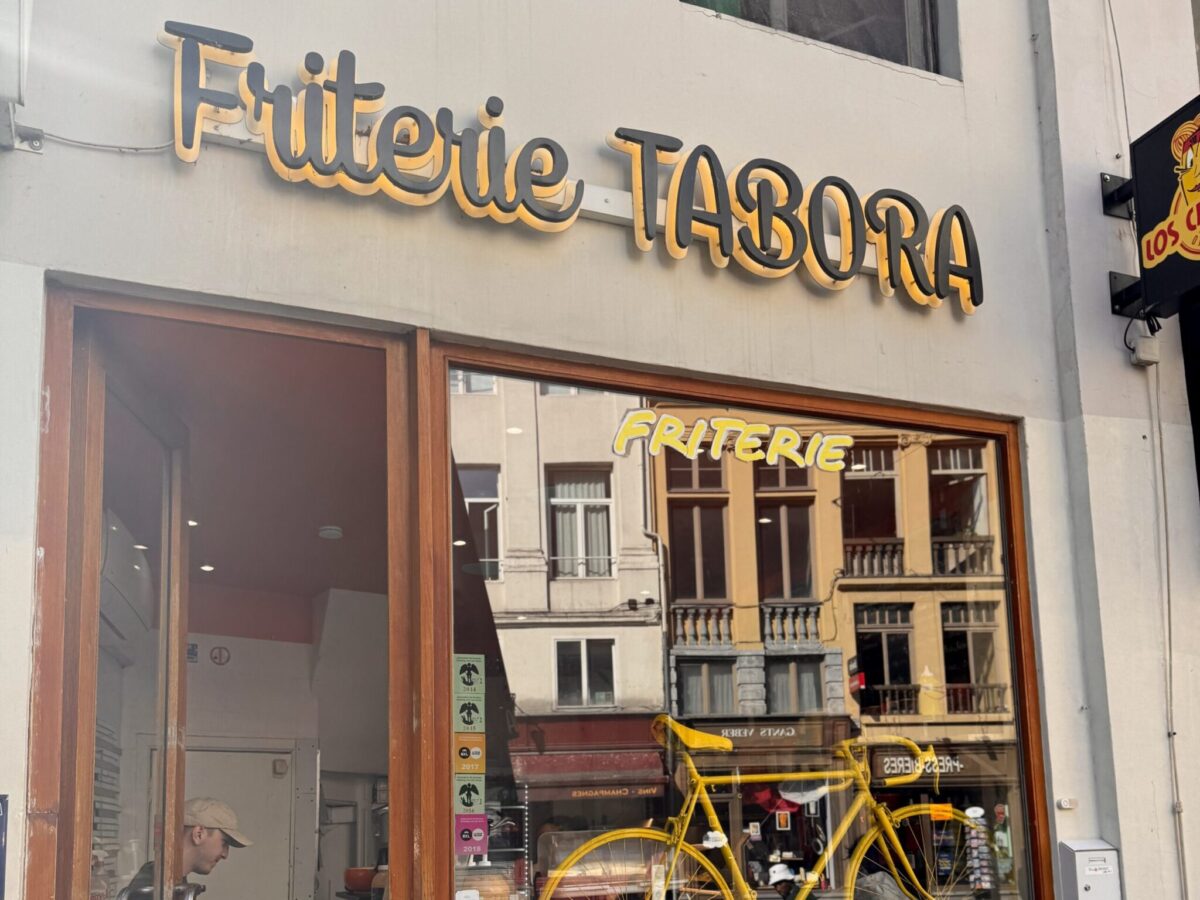
Frituur Tabora is open from 9:00 AM until 6:00 AM the following morning, so you can enjoy Belgian fries well into the night.
I’d read reviews saying that there was always a line, but since we arrived around 9:30 AM, shortly after opening, we didn’t have to wait at all.
The fries come in three sizes: Small, Medium, and Large.
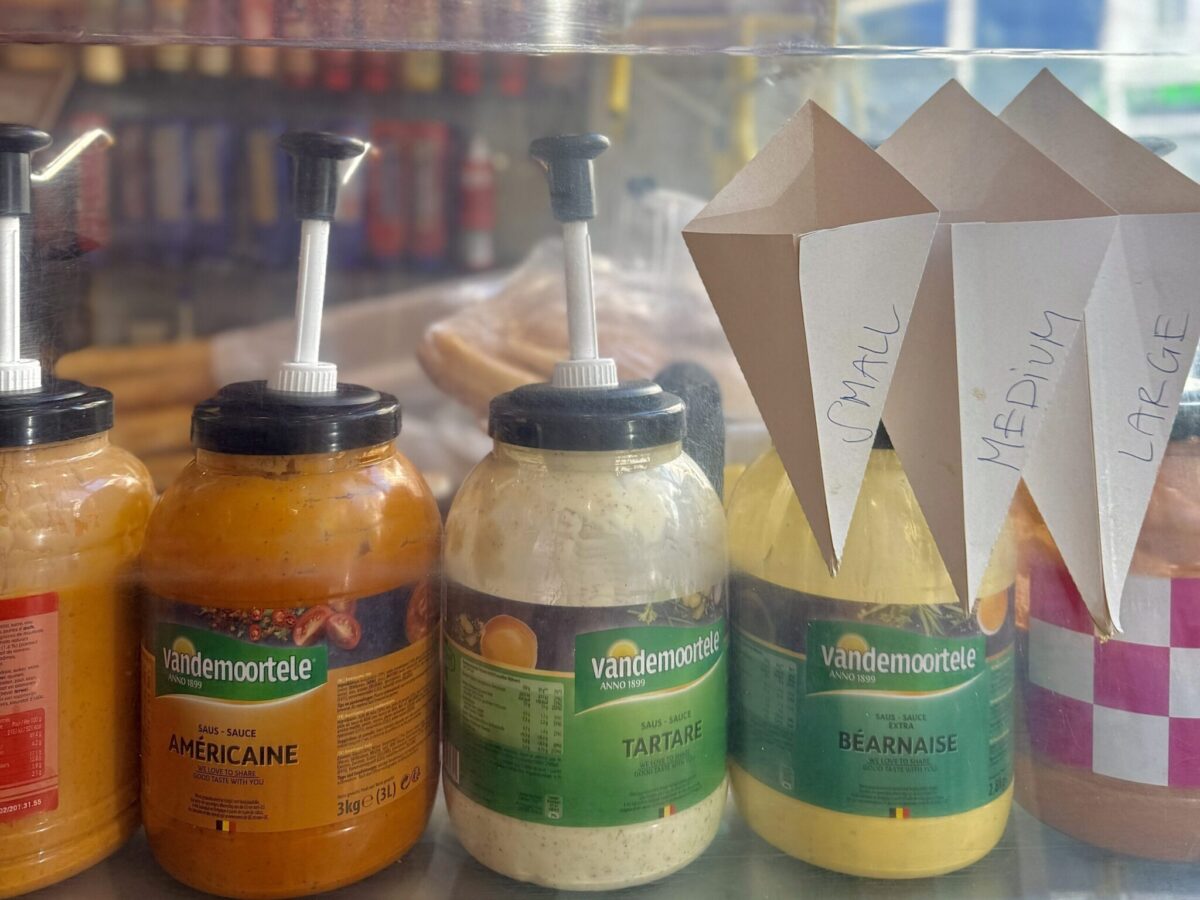
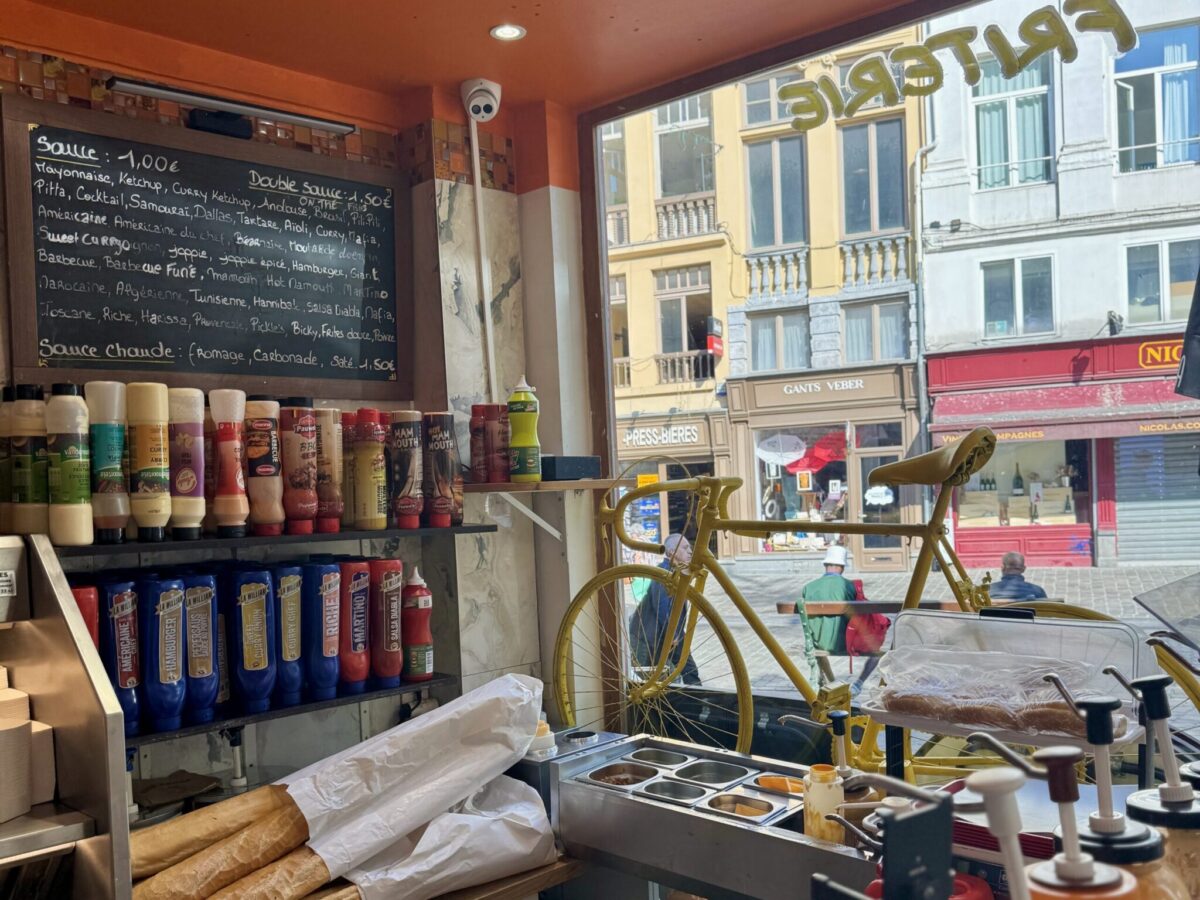
The sauce menu here is extensive.
I asked the staff for a recommendation, and they suggested their #1 seller: Andalouse.
The tangy mix of tomato, mayo, vinegar, and herbs paired perfectly with the hot fries.
I was instantly hooked.
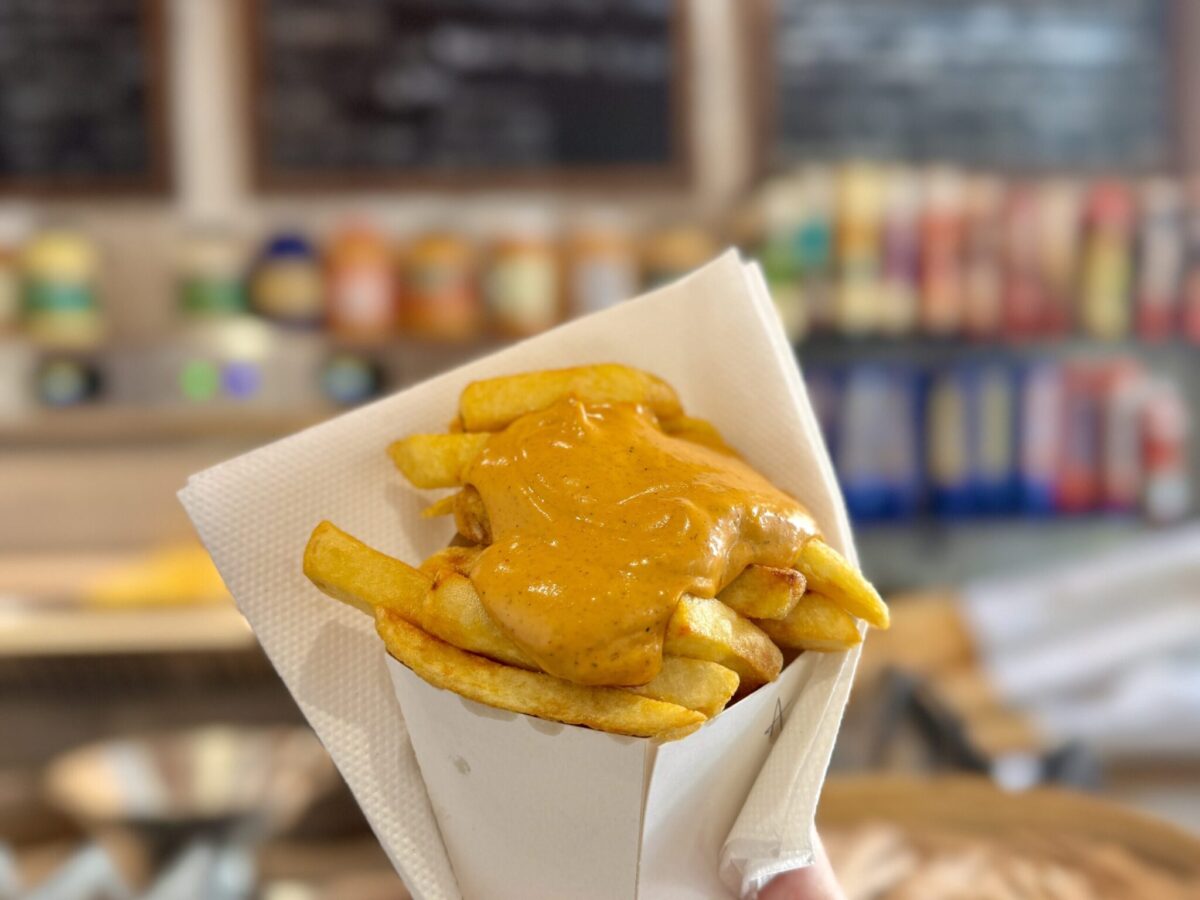
It’s perfect spot for night-owl cravings or a quick break while exploring.
2. Belgian Waffles (Liège Style)
Trying authentic Belgian waffles while strolling through the city is an absolute must.
They look gorgeous and taste even better—a total dream for anyone with a sweet tooth.
Where to Try Them:
① Maison Dandoy
With nearly 200 years of history, Maison Dandoy is a true Brussels institution. Located inside the historic Royal Gallery of Saint-Hubert, its elegant tea room is a beautiful place to sit and enjoy a waffle, though there may be a wait.
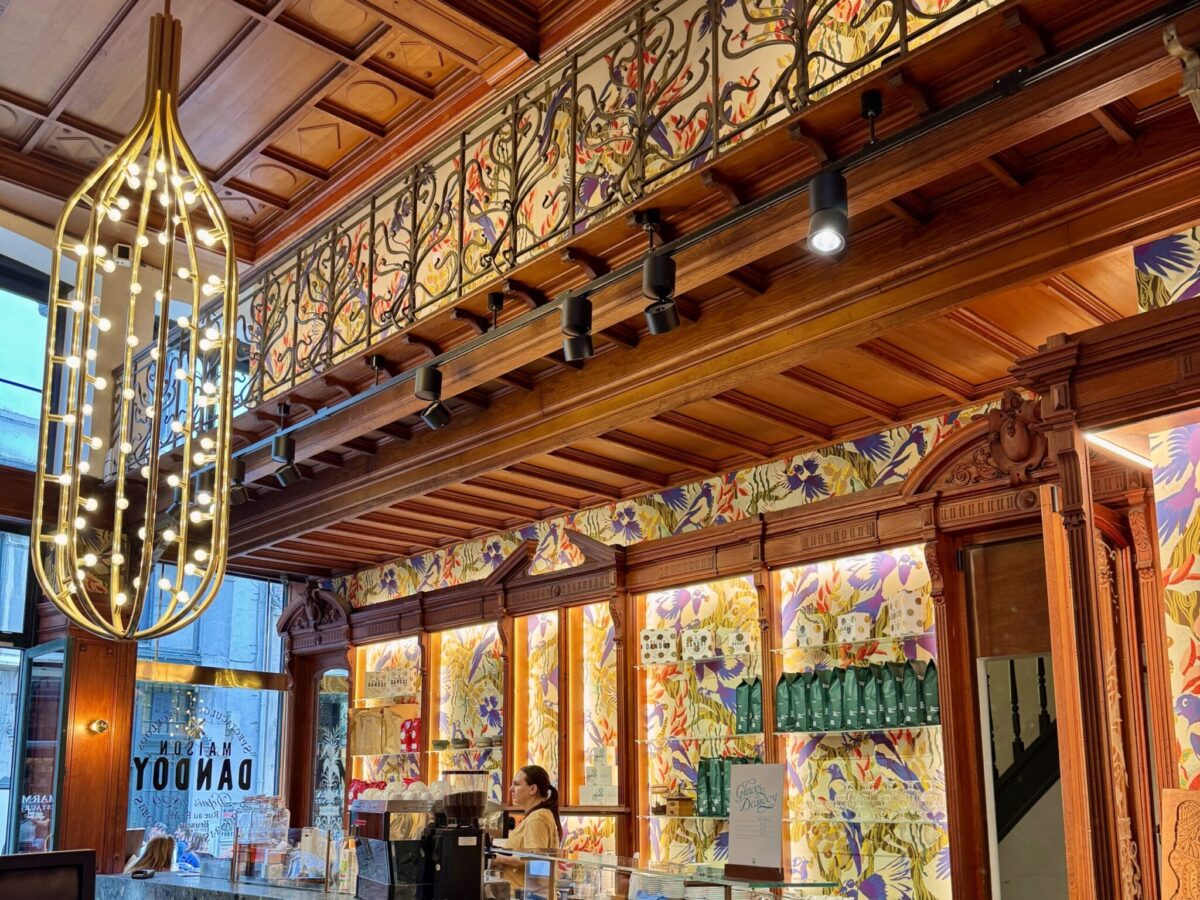
To save time, we went with the takeout option (which conveniently saves you €1 per order!).
They serve two classic styles of Belgian waffles:
- Brussels Waffle: Light, airy, and crisp.
- Liège Waffle: Richer, denser, and made with pearl sugar baked into the dough.
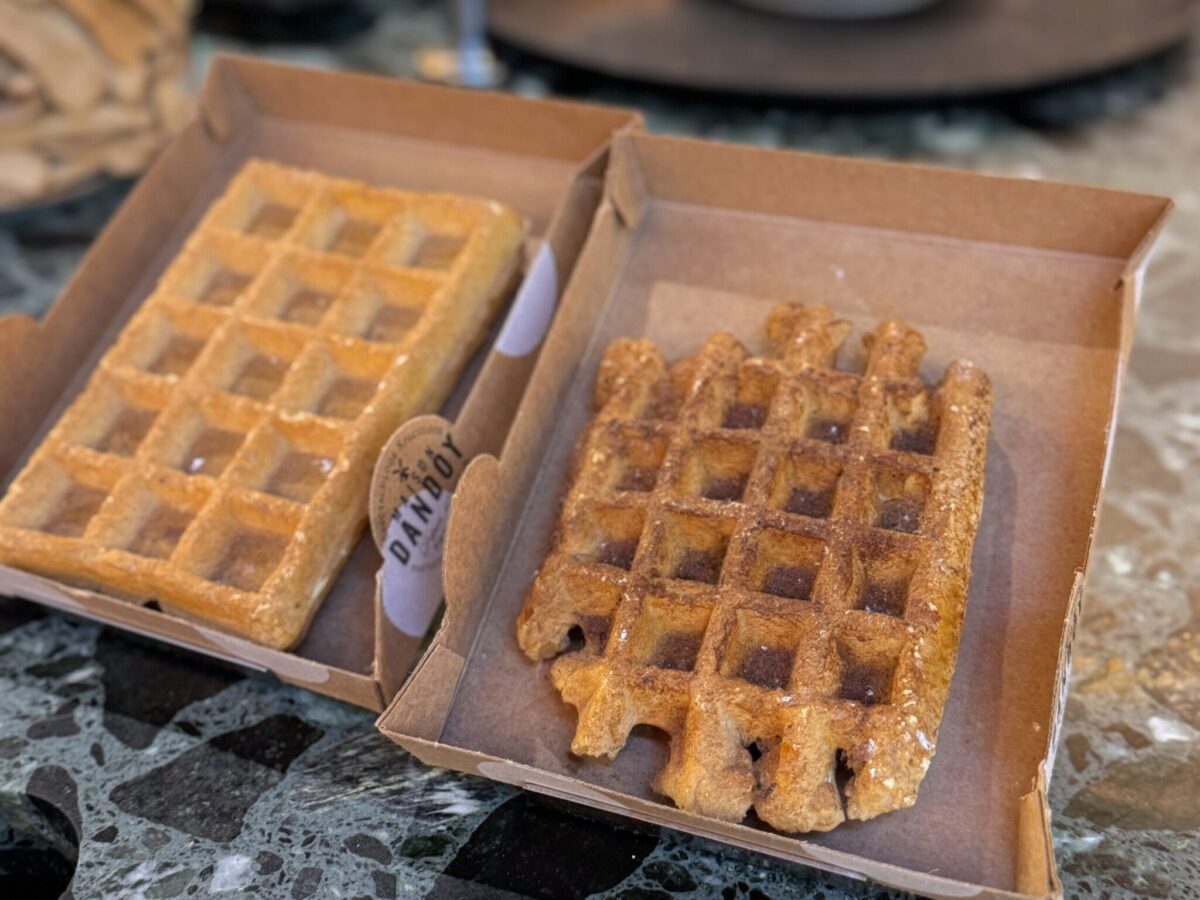
Since I prefer the denser texture, I ordered a Liège waffle topped with dark chocolate and vanilla ice cream.
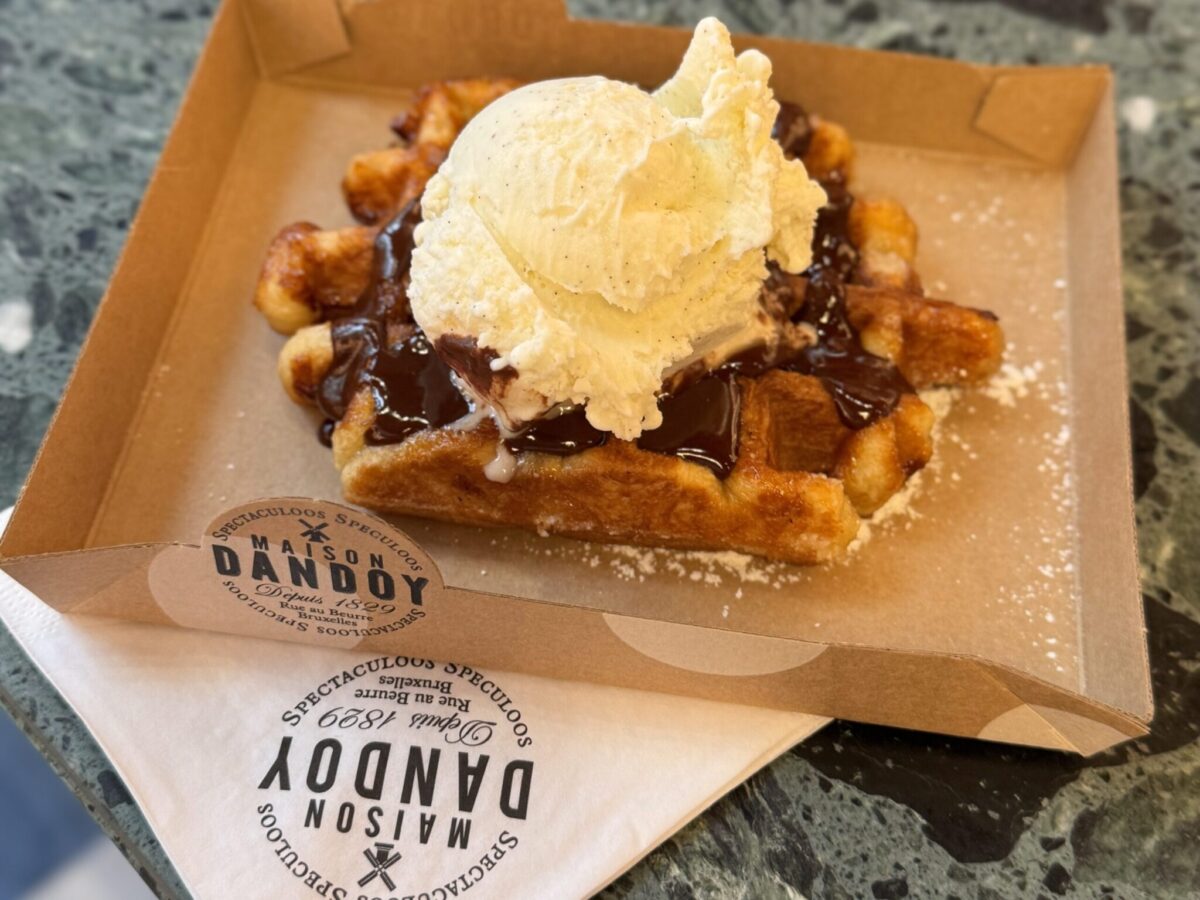
It hit the mark completely—crispy outside, chewy inside, and topped with rich chocolate that wasn’t overly sweet.
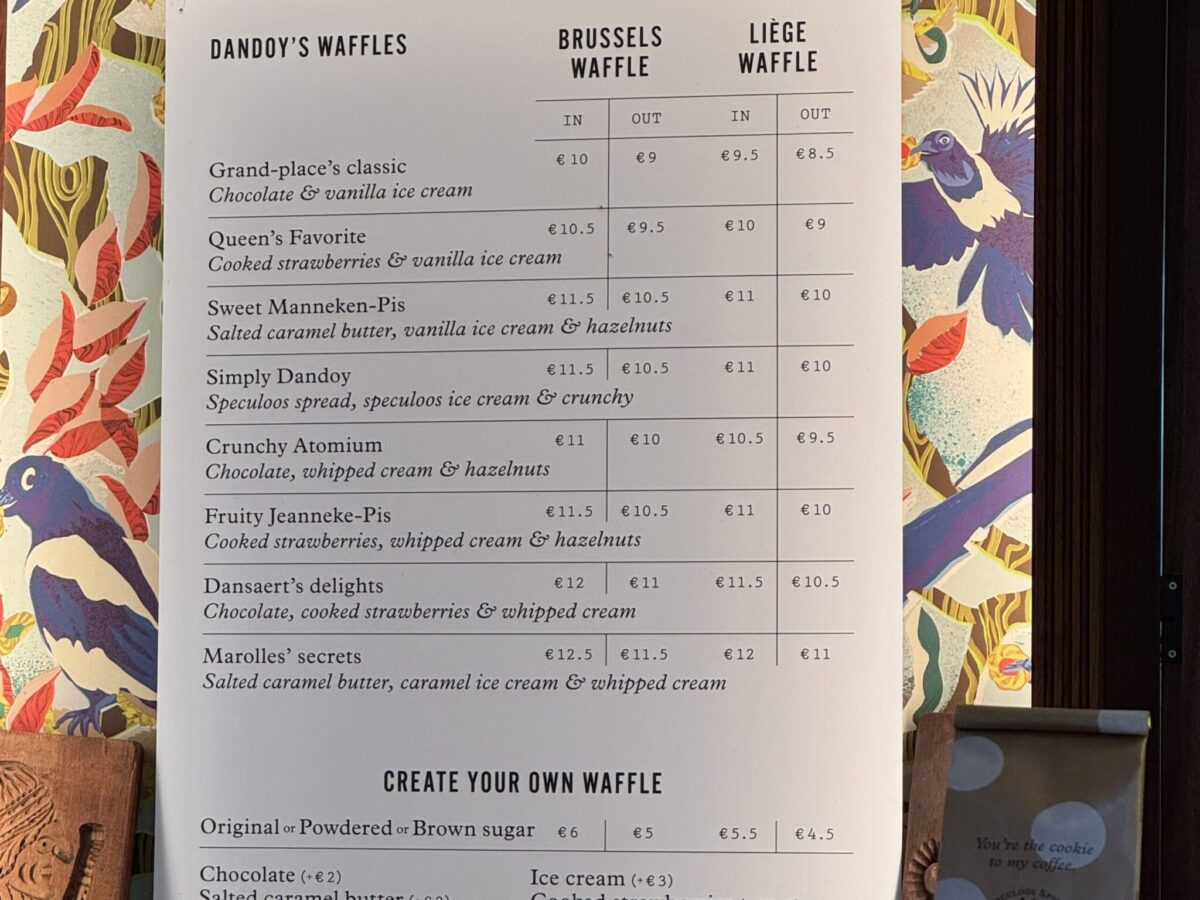
Fun observation: Brussels waffles cost €0.50 more than Liège waffles here—perhaps a little local tribute to the city’s signature treat!
② Le Funambule
Right near Grand Place, Le Funambule catches your eye immediately with colorful waffle samples displayed right in the window.
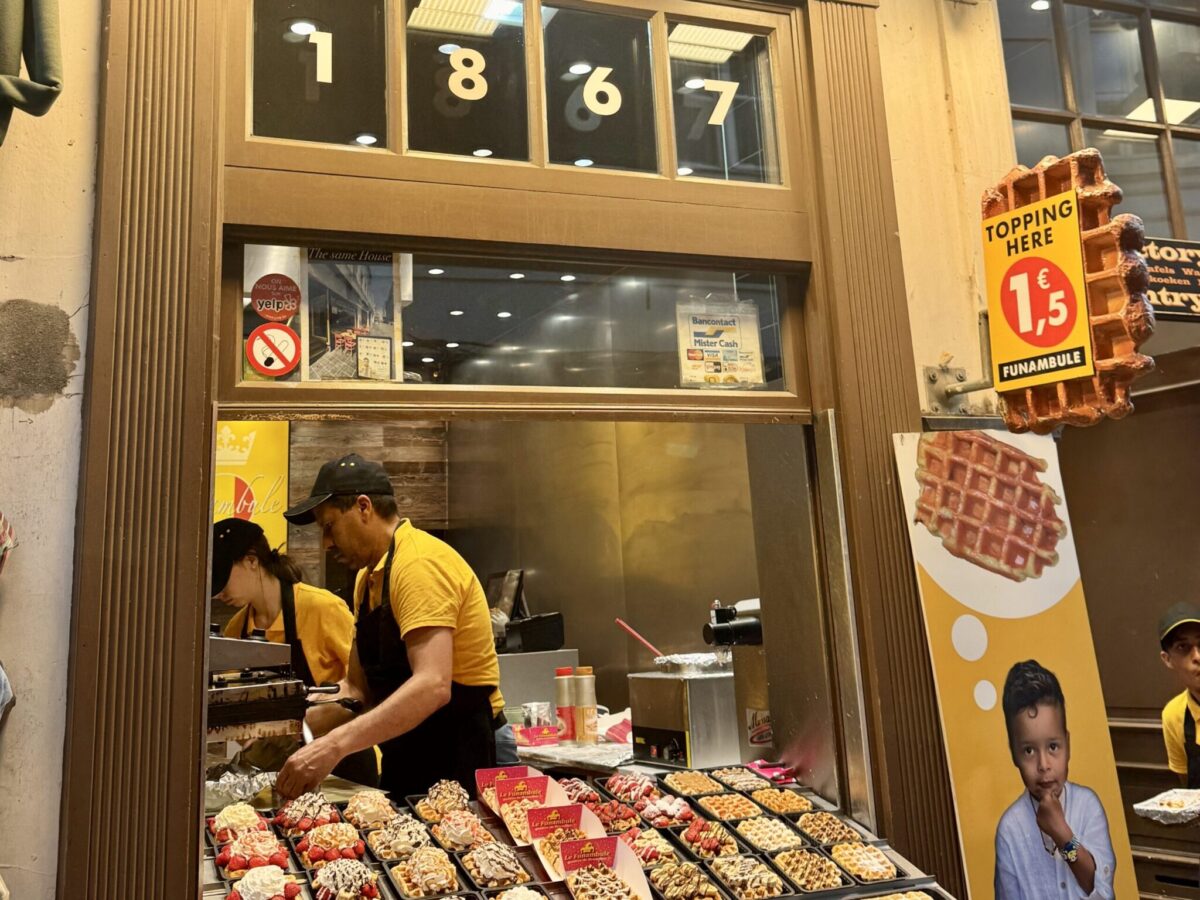
They specialize exclusively in Liège-style waffles with a massive variety of toppings.
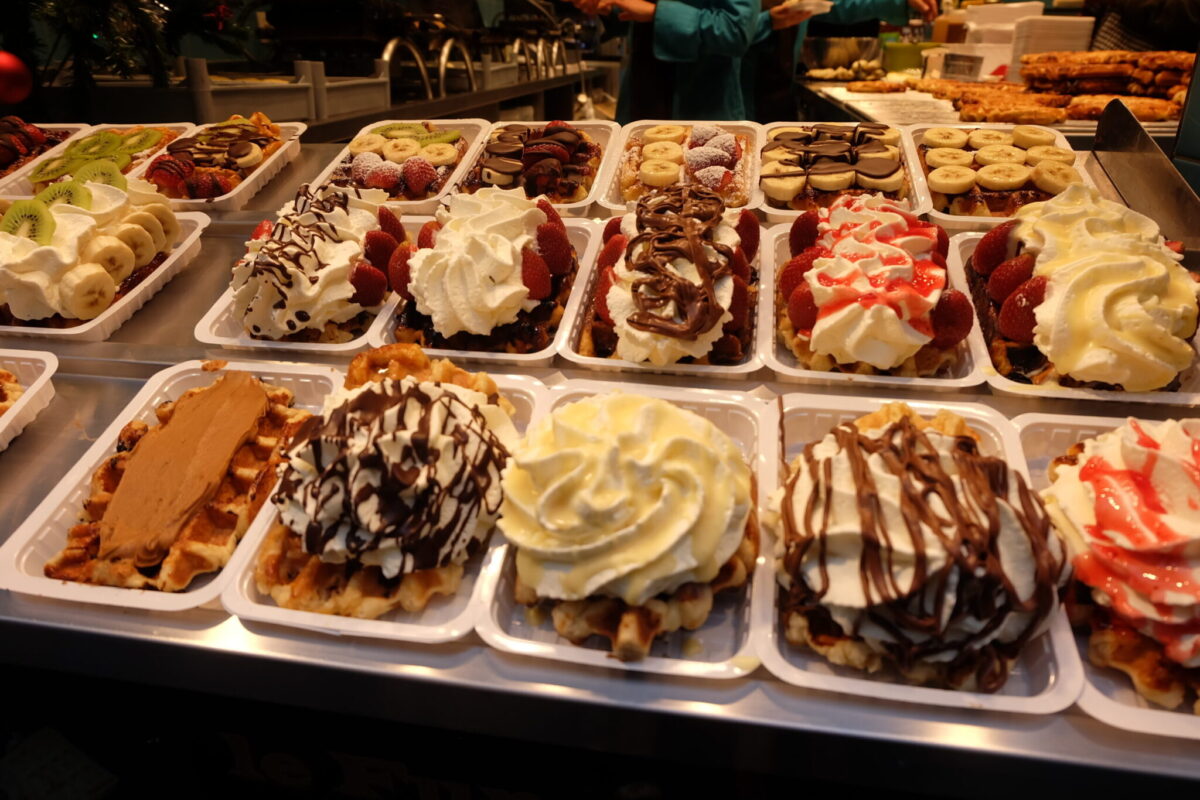
I went with classic whipped cream and caramel sauce, and it was incredible.
There’s no seating here, so it’s strictly grab-and-go—ideal for eating on the move.
3. Carbonnade Flamande (Belgian Beef Stew)
Carbonnade (Carbonnades) is a traditional Belgian stew made with beef slowly simmered in beer.
It has a rich, hearty flavor that perfectly reflects Belgium’s beer-loving culture.
Where to Try It: Brasserie Ommegang
While almost every traditional eatery in Brussels serves this dish, Brasserie Ommegang near Central Station is a favorite for its approachable, deeply savory flavor profile.
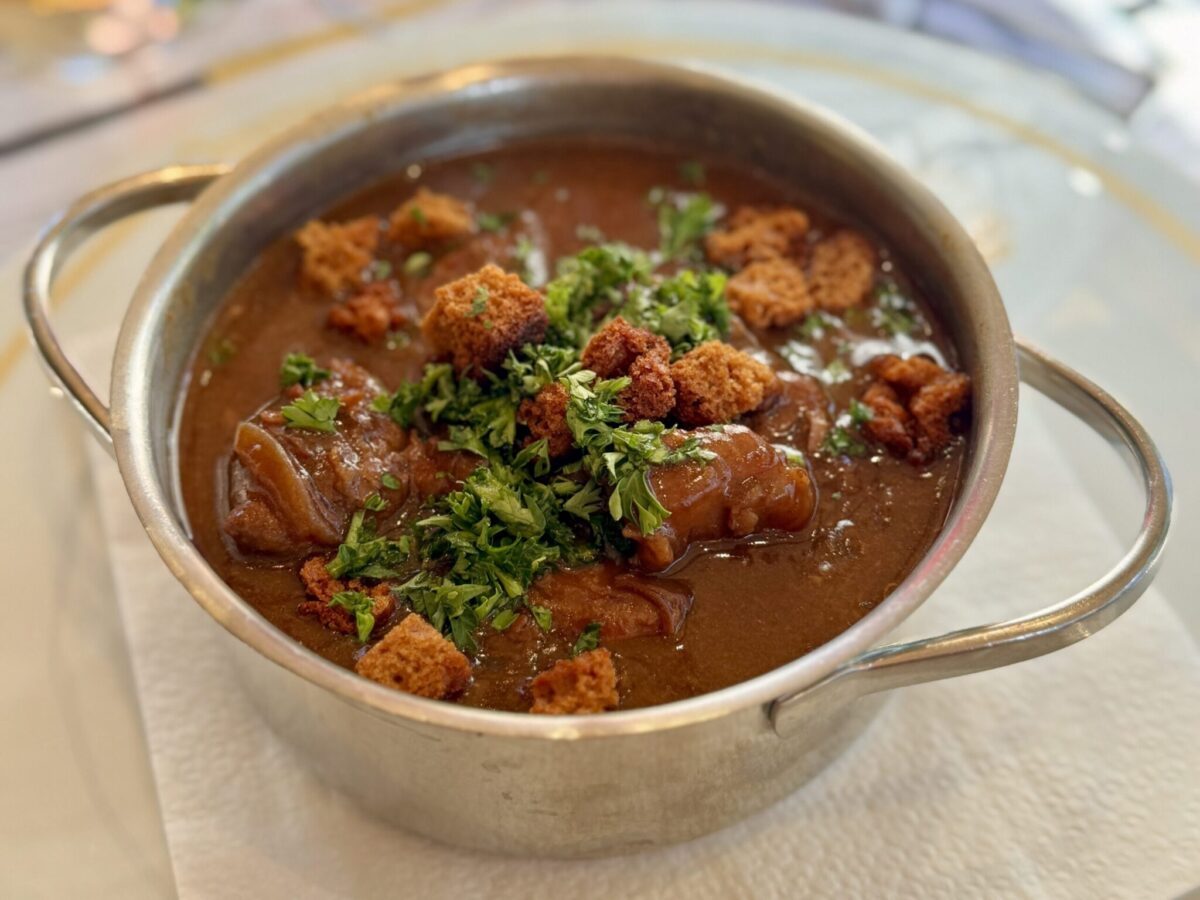
The carbonnade itself was delicious, but the fries on the side were just as impressive—crispy on the outside and soft and fluffy on the inside, they could easily rival those from a dedicated frites shop.
In many parts of Europe, bread is a common accompaniment to hearty dishes, but in Belgium, it’s often served with fries instead. I found that little cultural difference particularly interesting.
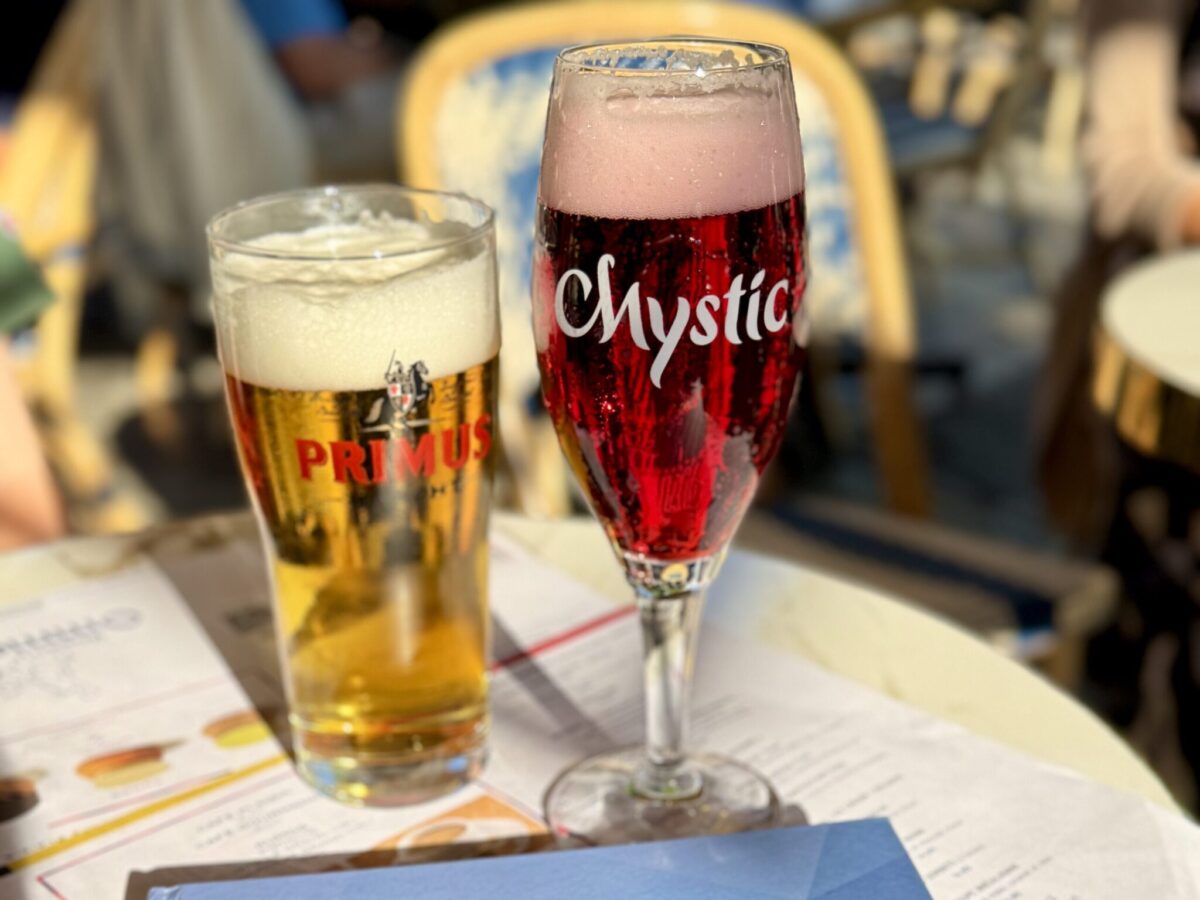
I also enjoyed a cherry beer with my meal.
It had a smooth, fruity flavor with none of the bitterness you might expect from beer, making it surprisingly easy to drink.
I booked a table online ahead of time, but the venue is spacious with plenty of outdoor seating, so you should be fine walking in outside peak dining hours.
4. Flemish-Style White Asparagus (Seasonal Spring Specialty)
White asparagus is a beloved spring highlight across Belgium. In season from April through June, local restaurants feature Asperges à la flamande (Flemish-style white asparagus) across their seasonal menus.
Where to Try It: Brasserie Ommegang
I visited in late June when the season was winding down, and asparagus had already disappeared from most menus.
However, Brasserie Ommegang graciously offered to prepare it for me upon request when I asked for Asperges à la flamande.
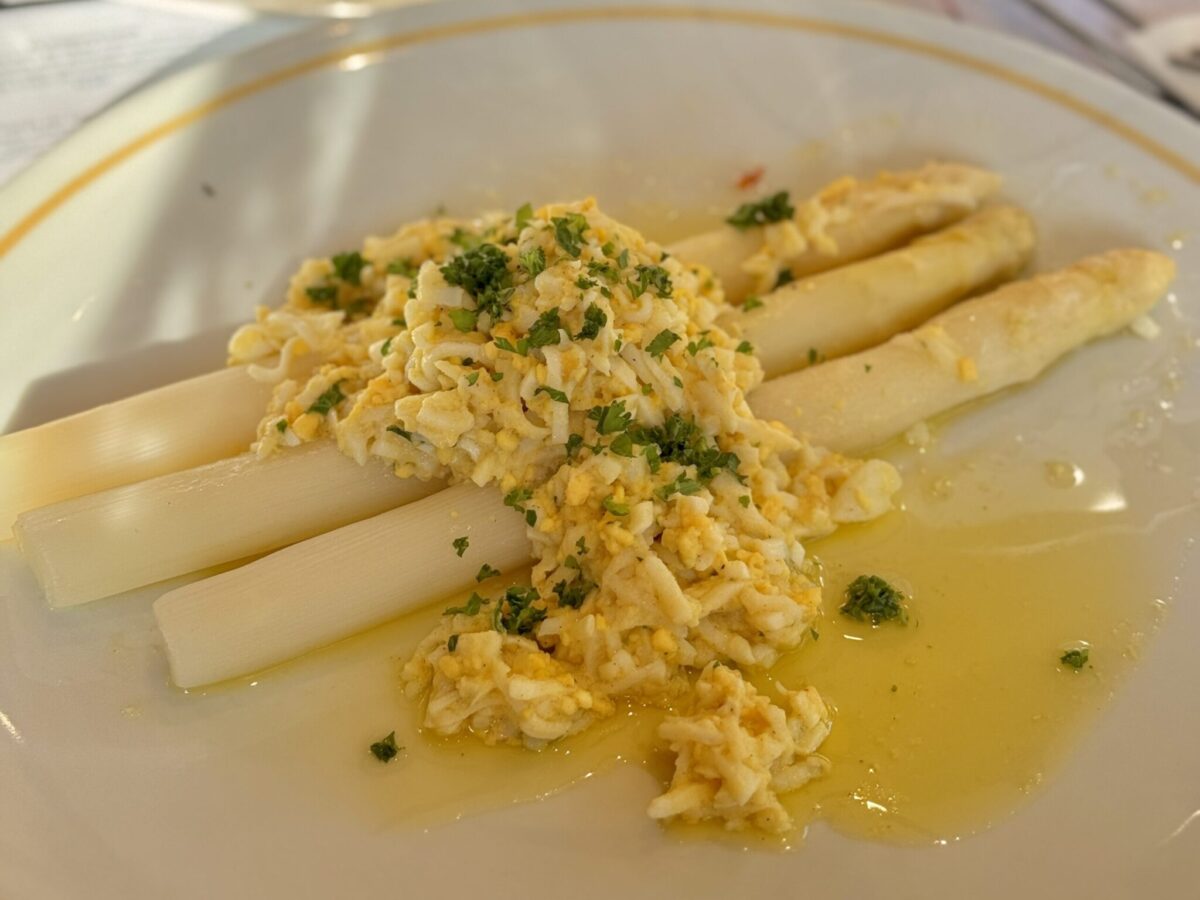
Unlike the Dutch or German style served with Hollandaise, the Flemish version comes topped with a delicate mixture of mashed hard-boiled eggs, butter, and parsley.
It’s subtle, light, and lets the natural sweetness of the white asparagus shine through.
It works best as an appetizer, but it’s a wonderfully authentic dish to try if your trip falls in the spring.
5. Moules (Mussels)
You can’t leave Brussels without trying Moules-Frites—fresh mussels steamed in white wine, butter, and herbs, served alongside a side of crispy fries.
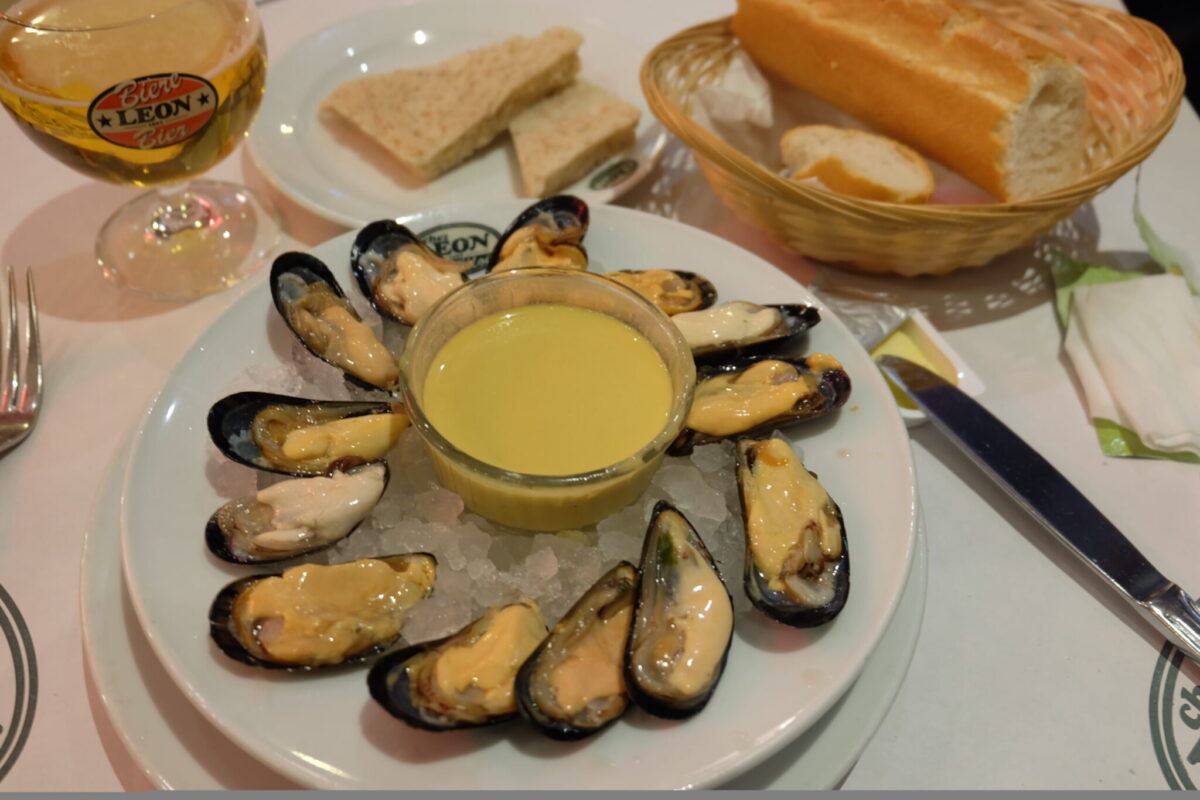
Where to Try It: Chez Léon
Chez Léon is a famous, classic spot for seafood lovers, complete with English menus for easy ordering.
While most patrons opt for the traditional steamed pot, I also tried their raw mussels on the half shell.
They were incredibly fresh, clean, and delicious.
6. Belgian Beer (Over 2,000 Varieties!)
Belgium’s beer culture is legendary, renowned for its incredible variety, historic brewing techniques, and unique flavor profiles.
Where to Try It: Delirium Café
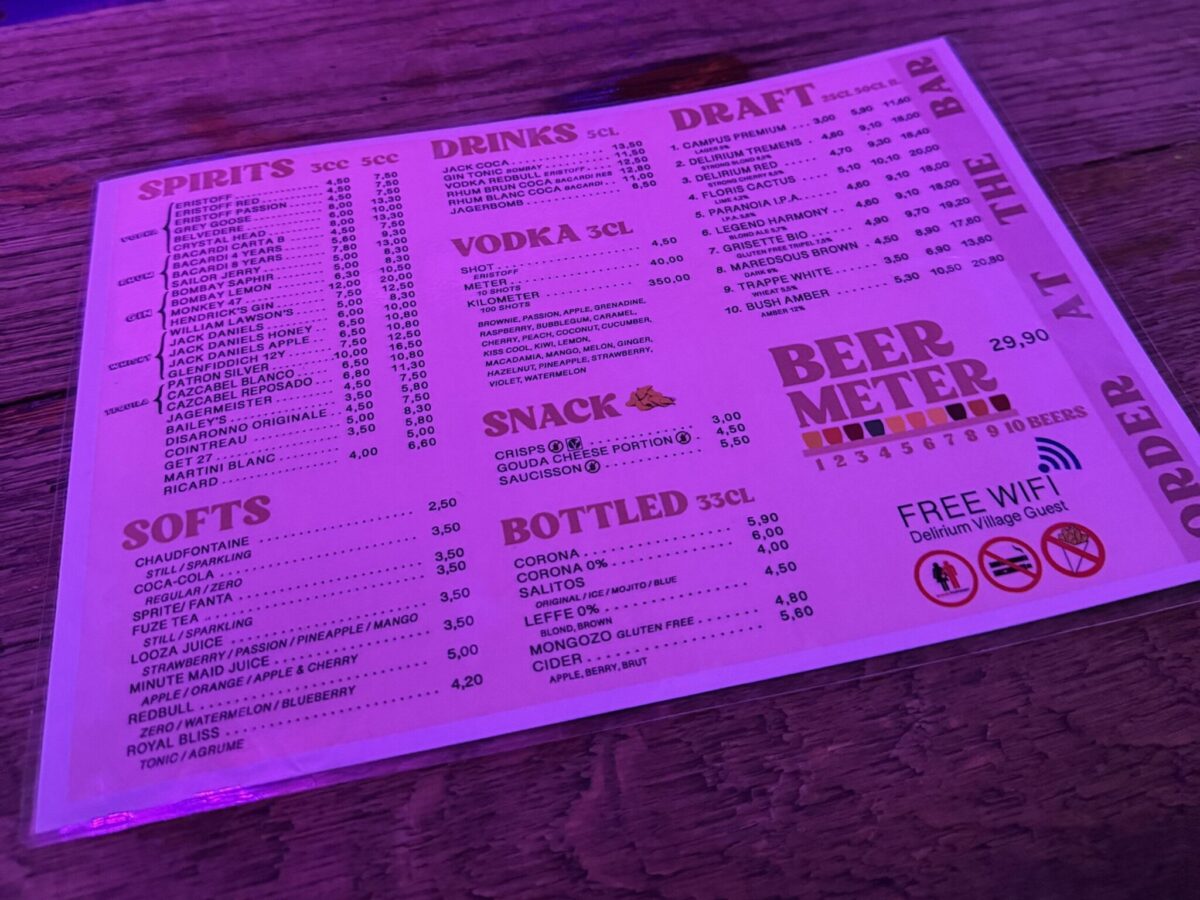
Delirium Café is an iconic destination for beer enthusiasts, stocking over 2,000 unique brews.
A popular pick here is the Beer Meter—a sampler flight of 10 beers arranged from lightest to darkest in body.
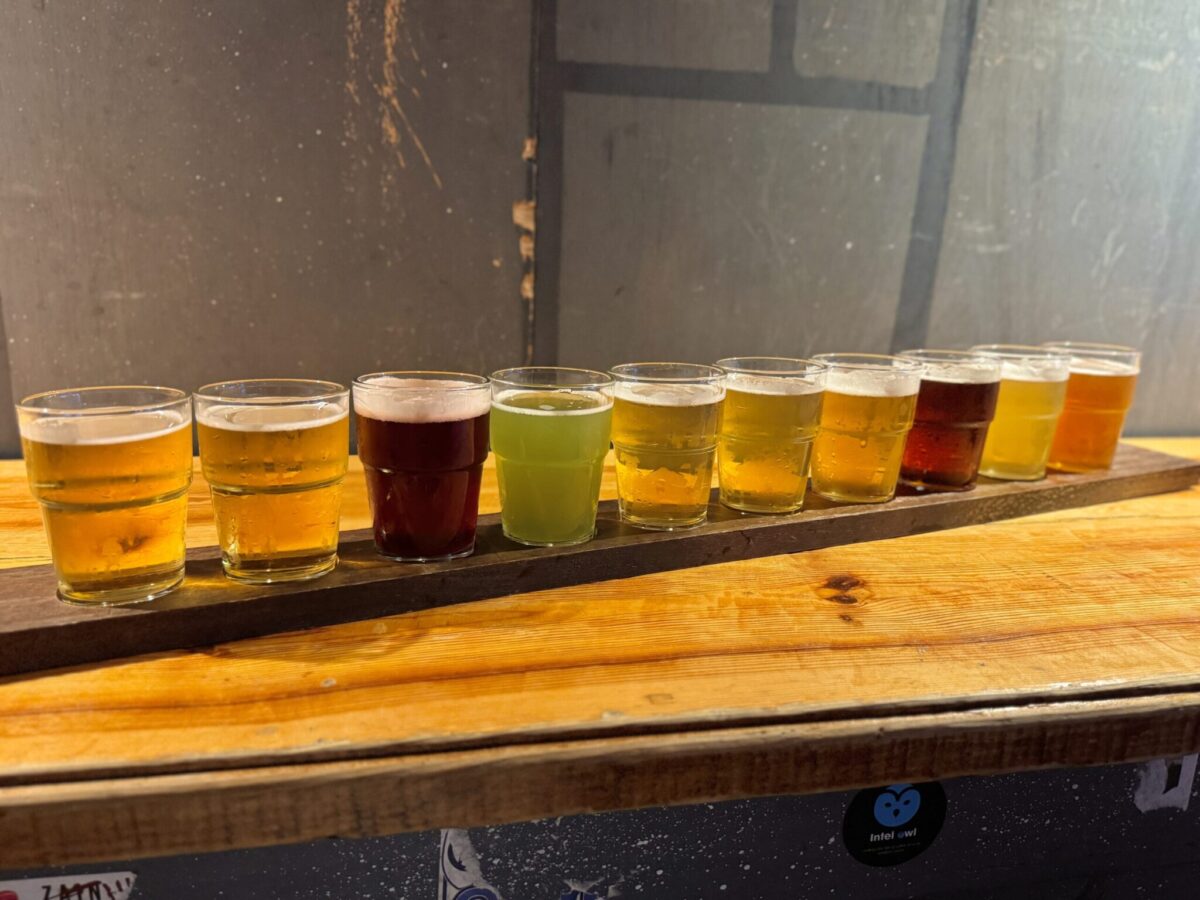
As someone who prefers lighter, less bitter brews, I found some of the heavier Belgian beers quite intense, but the tasting experience itself was fantastic.
They also offer non-beer drinks and small bar snacks.
Bonus Sightseeing Tip: Right across the alley from Delirium Café sits the Jeanneke Pis statue (the female counterpart to the famous Manneken Pis), making it an easy spot to check off your sight-seeing list!
7. Cuberdons (Traditional Belgian Candy)
Originating from Ghent, Cuberdons (often called neuzekes or “little noses”) are cone-shaped candy treats with a firm outer sugar shell and a soft, sweet liquid center.
Where to Try Them: La Belgique Gourmande
Located inside the Galerie Royale Saint-Hubert, La Belgique Gourmande sells Cuberdons by weight.
The staff allows you to buy individual pieces, making it easy to sample different flavors.
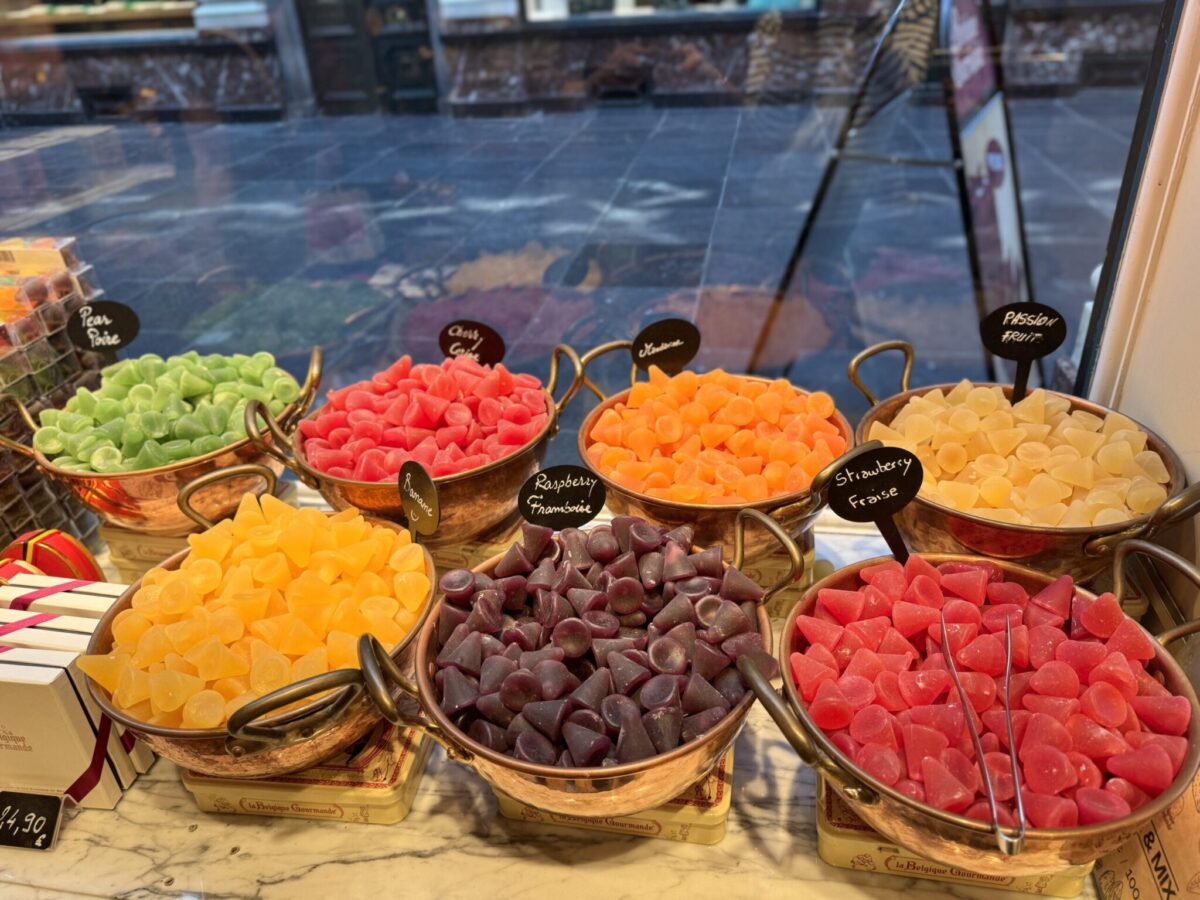
After trying a few, melon and pineapple quickly became my top picks. Because of their liquid filling, they have a short shelf life and are rarely exported, making them a true “must-try while you’re there” treat.
Wrap-Up: Making the Most of Brussels’ Culinary Scene
From street-side snacks to cozy tavern meals, Brussels offers an amazing variety of flavors beyond its world-famous chocolates.
If you’re short on time, grab a hot waffle or a cone of fresh frites while exploring the city center. Bon appétit!